
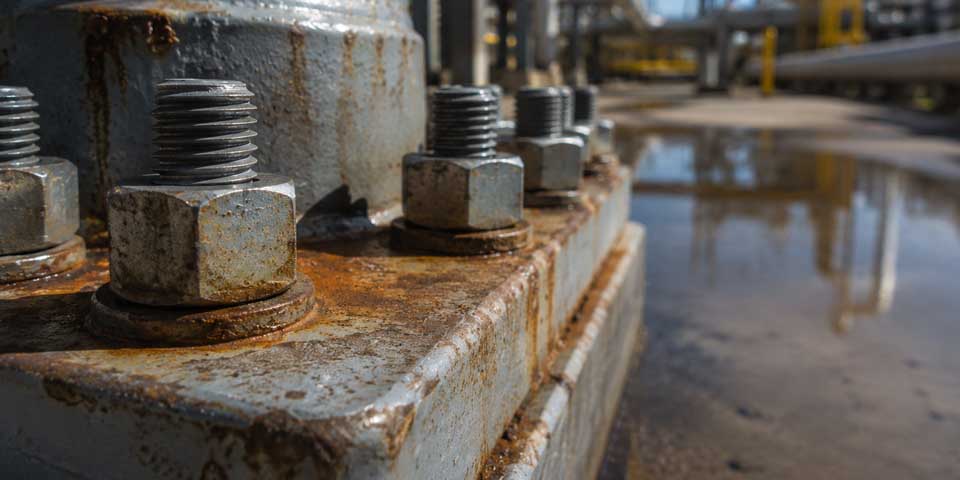
Fasteners are among the most overlooked components in industrial equipment, infrastructure, transportation systems, and manufacturing facilities. Yet when a bolt, screw, stud, or nut fails prematurely, the consequences can be severe. Equipment downtime, structural instability, expensive repairs, and safety risks often begin with something as simple as corrosion or coating failure.
Across industries including manufacturing, energy, defense, aerospace, transportation, chemical processing, and construction, fasteners are exposed to some of the harshest operating conditions imaginable. Moisture, chemicals, temperature extremes, vibration, road salt, and environmental contaminants constantly attack metal surfaces.
Understanding why fasteners fail is the first step toward preventing costly problems and extending the lifespan of critical assets.
The Real Cost of Fastener Failure
Many organizations underestimate the financial impact of fastener corrosion and degradation.
When fasteners fail, companies often experience:
- Unexpected equipment downtime
- Increased maintenance costs
- Emergency replacement expenses
- Structural integrity concerns
- Production delays
- Safety hazards
- Reduced asset lifespan
In many cases, replacing a failed bolt or stud may only cost a few dollars. However, the downtime associated with that failure can cost thousands—or even millions—of dollars depending on the application.
For industrial facilities, preventing failure is almost always more cost-effective than reacting to it.
Corrosion: The Leading Cause of Fastener Failure
Corrosion remains the number one reason fasteners fail prematurely.
When metal fasteners are exposed to moisture, oxygen, salt, or chemicals, oxidation begins to occur. Over time, this process weakens the fastener and reduces its load-bearing capacity.
Common sources of corrosion include:
- Outdoor weather exposure
- Coastal environments
- Road salt
- Industrial pollutants
- Chemical processing facilities
- Water treatment plants
- Agricultural operations
- Manufacturing environments
Once corrosion starts, it often accelerates rapidly, especially when protective barriers are inadequate or damaged.
Galvanic Corrosion: A Hidden Threat
One of the most overlooked causes of fastener failure is galvanic corrosion.
Galvanic corrosion occurs when two dissimilar metals come into contact in the presence of an electrolyte such as water.
For example:
- Stainless steel fasteners on aluminum structures
- Carbon steel bolts on galvanized assemblies
- Mixed-metal industrial equipment
Over time, one metal sacrifices itself and corrodes at an accelerated rate.
Many engineers encounter galvanic corrosion issues without immediately realizing the root cause, leading to recurring failures and maintenance challenges.
Proper coating systems can help isolate dissimilar metals and significantly reduce galvanic reactions.
Chemical Exposure Accelerates Degradation
Industrial facilities often expose fasteners to aggressive chemicals that can quickly destroy unprotected surfaces.
Examples include:
- Acids
- Alkalis
- Solvents
- Cleaning agents
- Petrochemicals
- Fertilizers
- Process chemicals
Even highly durable metal alloys can experience accelerated degradation when continuously exposed to chemical attack.
Protective coatings create a barrier between the fastener and its operating environment, helping prevent direct chemical contact.
Vibration and Mechanical Fatigue
Not all fastener failures are caused by corrosion.
Many industrial systems experience constant vibration from:
- Pumps
- Motors
- Compressors
- Production machinery
- Heavy equipment
- Transportation systems
Repeated vibration cycles can loosen fasteners, weaken threads, and contribute to fatigue cracking.
Over time, microscopic cracks grow larger until catastrophic failure occurs.
Specialized coating systems can help improve performance by reducing friction, enhancing torque consistency, and improving long-term fastener reliability.
Related EPC Coatings Resource
Learn how specialized coating systems can improve corrosion resistance, reduce maintenance costs, and extend the lifespan of industrial fasteners in demanding environments.
Temperature Extremes Can Damage Fasteners
Extreme temperatures can significantly affect fastener performance.
Industries that commonly encounter temperature-related issues include:
- Aerospace
- Defense
- Energy production
- Transportation
- Industrial manufacturing
High temperatures can:
- Accelerate oxidation
- Degrade protective finishes
- Reduce material strength
Low temperatures can:
- Increase brittleness
- Create thermal stress
- Promote cracking
Protective coatings specifically engineered for temperature resistance can help maintain performance across a wide operating range.
The Limitations of Traditional Zinc Plating
Many fasteners rely on zinc plating for corrosion protection.
While zinc plating offers some benefits, it often struggles in highly aggressive environments.
Common limitations include:
- Limited lifespan in salt exposure
- Reduced effectiveness in chemical environments
- Wear during installation
- Damage from abrasion
- Insufficient protection in severe industrial settings
As industrial demands increase, many organizations are turning to advanced coating technologies designed specifically for long-term durability.
How Protective Coatings Extend Fastener Life
Protective coatings are one of the most effective ways to increase fastener longevity.
Advanced coating systems can provide:
- Enhanced corrosion resistance
- Improved chemical resistance
- Reduced galvanic corrosion
- Better wear protection
- Improved torque control
- Longer maintenance intervals
- Reduced lifecycle costs
By creating a durable barrier between the fastener and the environment, coatings help prevent many of the common failure mechanisms that shorten service life.
Industries That Benefit Most From Advanced Fastener Coatings
Protective fastener coatings are commonly used in:
Manufacturing Facilities
Equipment reliability is essential for maintaining production schedules and minimizing downtime.
Transportation Infrastructure
Bridges, rail systems, and transportation assets are constantly exposed to moisture and environmental contaminants.
Energy Production
Power generation facilities require long-term corrosion protection for critical components.
Defense and Aerospace
Military and aerospace applications demand consistent performance under extreme environmental conditions.
Water and Wastewater Facilities
Moisture exposure makes corrosion protection essential for long-term reliability.
Chemical Processing Plants
Aggressive chemical environments require specialized coating solutions capable of resisting degradation.
Signs Your Fasteners May Be Failing
Watch for these warning signs:
- Visible rust or oxidation
- Coating deterioration
- Thread damage
- Loosening under vibration
- Discoloration
- Cracking
- Pitting corrosion
- Increased maintenance frequency
Early detection can prevent major failures and reduce repair costs.
Choosing the Right Coating Solution
Selecting the proper coating depends on several factors:
- Environmental exposure
- Temperature requirements
- Chemical resistance needs
- Expected service life
- Load requirements
- Industry specifications
- Regulatory requirements
An experienced coating provider can help identify the most effective solution for your specific application.
Why EPC Coatings
At EPC Coatings, we understand the challenges industrial organizations face when protecting critical fasteners and components from corrosion, wear, and environmental degradation.
Our coating solutions are designed to help manufacturers, contractors, infrastructure operators, and industrial facilities extend asset life, improve reliability, and reduce costly maintenance issues.
Whether you’re protecting fasteners used in manufacturing equipment, infrastructure, transportation systems, or specialized industrial applications, selecting the right coating system can make a significant difference in long-term performance.
Conclusion
Fastener failures rarely happen without warning. Corrosion, chemical exposure, galvanic reactions, vibration, and environmental stress gradually weaken components until failure occurs.
By understanding the causes of fastener degradation and implementing advanced protective coating solutions, organizations can significantly improve reliability, reduce maintenance costs, and extend the lifespan of critical assets.
For industries operating in harsh environments, investing in proper fastener protection isn’t simply a maintenance decision—it’s a long-term operational strategy.
Why do industrial fasteners fail prematurely?
Industrial fasteners commonly fail due to corrosion, chemical exposure, vibration, fatigue, temperature extremes, and galvanic corrosion between dissimilar metals.
What is the most common cause of fastener failure?
Corrosion is the leading cause of premature fastener failure in industrial environments.
Can coatings prevent fastener corrosion?
Yes. Specialized protective coatings create a barrier that helps prevent moisture, chemicals, salt, and contaminants from attacking metal surfaces.
What industries benefit from fastener coatings?
Manufacturing, aerospace, defense, transportation, infrastructure, chemical processing, water treatment, and energy production industries commonly utilize protective fastener coatings.
Are coated fasteners better than galvanized fasteners?
In many harsh environments, advanced coating systems provide greater durability, chemical resistance, and long-term protection compared to traditional galvanized finishes.
How do I know if my fasteners need replacement?
Visible rust, pitting, cracking, thread damage, loosening, or coating deterioration are common indicators that fasteners should be inspected or replaced.